 Tyson Heckert
Ah player agency – sense of control over one’s destiny. When it comes to TTRPG’s, and D&D, we all want our players to have it, yet we also have our own story to tell. So what’s that perfect balance? How can it be struck so players feel engaged, yet forces beyond them aren’t overridden?
Today I’m going to go over a few examples of how I managed to introduce this into a homebrew campaign. It brought far more investment from my players than any pre-written one we’d played, anyway. Based on the loosely Greek themed campaign setting of Theros, I had a lot of time, and whiskey, during the COVID-19 lockdown of 2020 and 21. That’s when I pored over the sourcebook and devise a fantastic campaign about war, death, the Gods, and the player’s own city-state creations around their ideals.
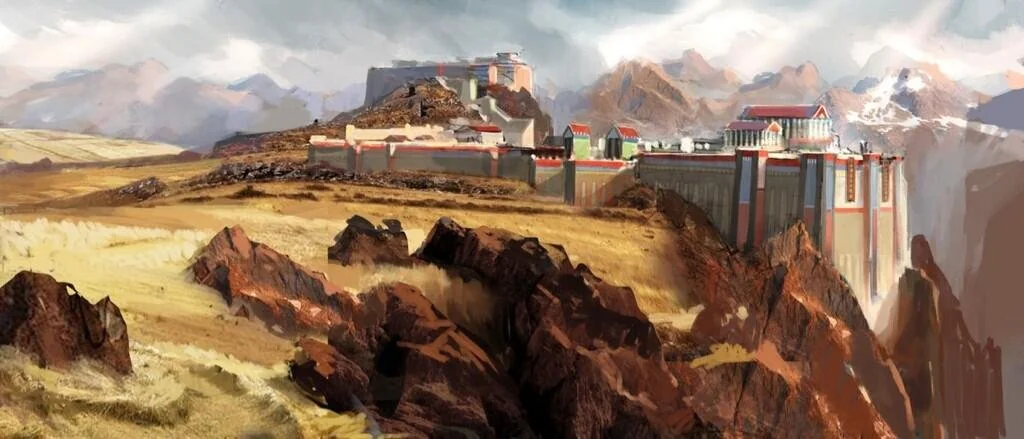
In 2024 I figured I’d take a shot at writing a novel. As I sat and thought about what story I’d concoct for my debut fantasy book, it hit me that we already told one of the greatest stories I could think of. I novelized the campaign as best as I could, removing some things, adding others, and streamlining the story while maintaining the major plot elements. In the end I feel I struck a really good balance. One does not even need to be familiar with D&D or Theros to enjoy the story, yet if you do, much of it will look familiar. Of course, I can’t actually write anything in Theros for copyright reasons, so my world is called Petros. Copies are available on Amazon, for anyone who’d like to read what my players and I had come up with.
The Campaign
Far earlier than the novel, I’d named the campaign New Dawn. This was core to the story because it was always going to be about death and rebirth. It was up to the players what the next phase, the new dawn for the world of Petros looked like.
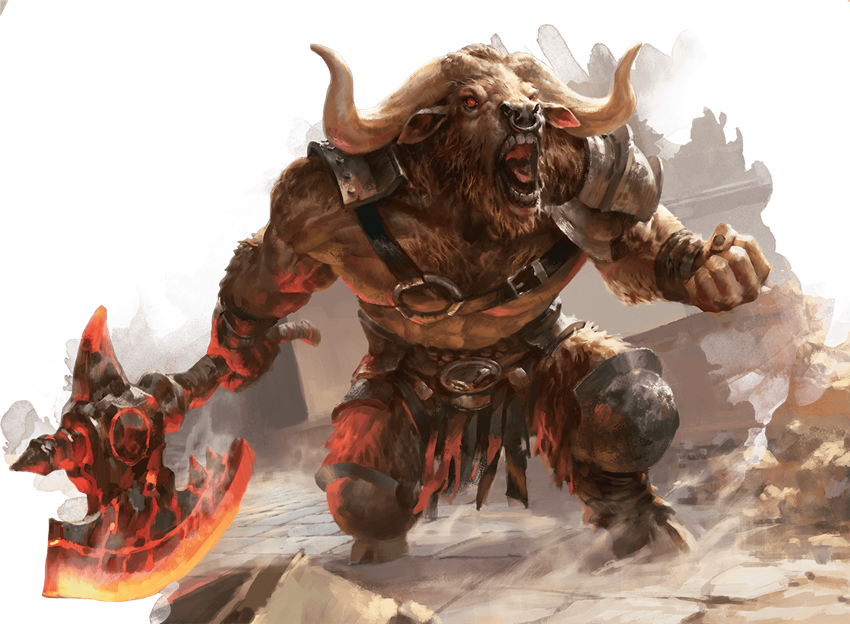
Beginning in a mid-size capital city chock full of interesting NPC’s with fairly deep backstories (that the players mostly never discovered, but at least it was there), the campaign opened like many others, just with enough mystery and intrigue that it would, hopefully, suck them into caring for the city. That’s when I would take it away.
See, the story was that an army was coming to wipe everything out. The players didn’t know this until later, but once they did, and they’d have plenty of time to build themselves and their relationships up, they could pick a side, or get out of the way. To my absolute pleasure, they didn’t disappoint.
Teasing Through Reward
One of the main tenants of Theros is the Gods. They hold power that’s… not quite absolute, but almost. They each have their ideals, and more importantly for me, a set of rewards that I added onto in interesting ways. These rewards are generally gifted at certain thresholds of piety points. I divvied them out to any who leaned into their chosen God’s ideals like a masterminding Easter bunny.
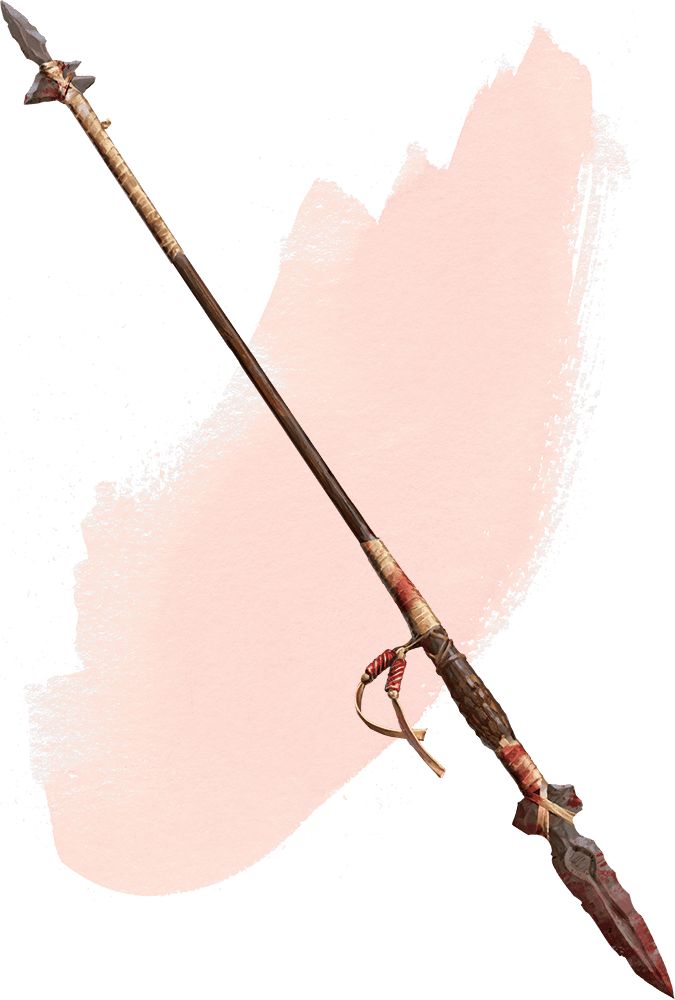
This system provided quite an interesting jumping off point for the players as they wholeheartedly took to what I presented as tasks for their gods. It also created a convenient way for me to handle player death. If your players are like mine, they’re generally afraid of death. Rightfully so, everyone gets attached to their PCs, but I didn’t want to be so nice this campaign. Killing them outright and forever would be too cruel, though, so I would always ask the players on death if they felt like they were done with their PC. If not, I’d present them with an offer from a God to return as a champion. As per the sourcebook, this changes a player. How, though, is up to them. It was another great way to introduce some customization, and reasoning for their actions.
Players Take Control
Eventually, this system morphed into something more. When it was clear one player was taking a commanding lead over the party through piety, two more of players came to me on the side and told me they were joining the first – changing sides as it were. This was after they’d died, so they had the opportunity to use the resurrection system to their advantage. I also had a reason to explore the Underworld for a bit in what was a cool side story. They didn’t know it at the time, but the side they were changing to was the one that was on its way to wipe out the capital city they’d grown so fond of.
In what was a critical moment, a pinnacle and about 1/3 through the story, the enemy army attacks. This was never a fight the players could win, the city was always going to fall. The question was only what side they would take, who they would kill, and who they would save.
Since the party was now split in half (well, 4 vs 3) it was a… diabolical reveal and ensuing combat.
My Challenge
Now that the group had turned on each other, trust was, understandably, at its lowest point. Mechanically this became as issue, as the group was split. On opposite sides of a war, they were not going to play nicely together. So how the heck was I going to keep the campaign going?
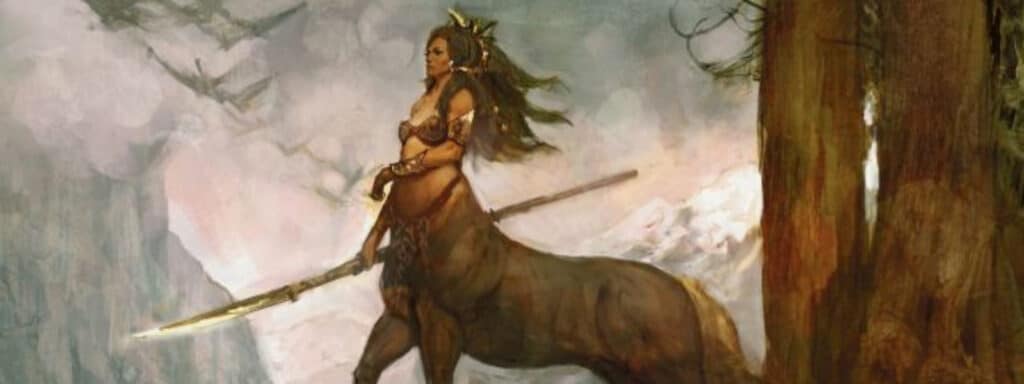
Numerous ideas came to mind. The first was if we could somehow split our play sessions between the two groups. Logistically this became a problem when schedules clashed, however, but that was probably for the best.
Finally, I had a very interesting idea come to mind. Not knowing if it would work, I put it into motion anyway. I did have a side discussion with the players about the situation beforehand. They all agreed it was a problem and that it’d need a solution, but they would not simply walk up to each other and forget about the slaughtered PCs and burned city.
What I did, then, was simply to give each side the same mission from their respective Gods. Asking my players to meet with me secretly (and this was all digital since it was still considered dangerous to meet in person), in hilarious fashion they basically took turns hiding from their significant others in coat closets and on tablet devices to receive their missions.
The Journey Forward
The mission was simple. Each side had a city to fight for, one rising from the ashes of another, and the other born anew. Both new cities needed protection, as I now introduced the idea that all the rest of the Heliod cities on Petros would come to siege the greatest threat its ever seen. So both sides would need to travel to an ancient forge to find wonderous, mechanical marvels to tip the scales in their favor.
Thankfully, this was enough that, while the players still didn’t trust each other, they’d journey on. In another example of agency, I presented them with another challenge here. They’d arrived in a village of merfolk that would not let them pass. Plainly, I stated how they’d get through this was up to them, anything from combat to stealth, to subterfuge was on the table. In a hilarious, unforgettable moment, one player came up with the idea to frame the village elder and make it seem like he was having extra special affairs with them. It was so crazy I simply couldn’t say no. Since I had nothing truly important planned for the encounter anyway, of course I was going to let it happen.
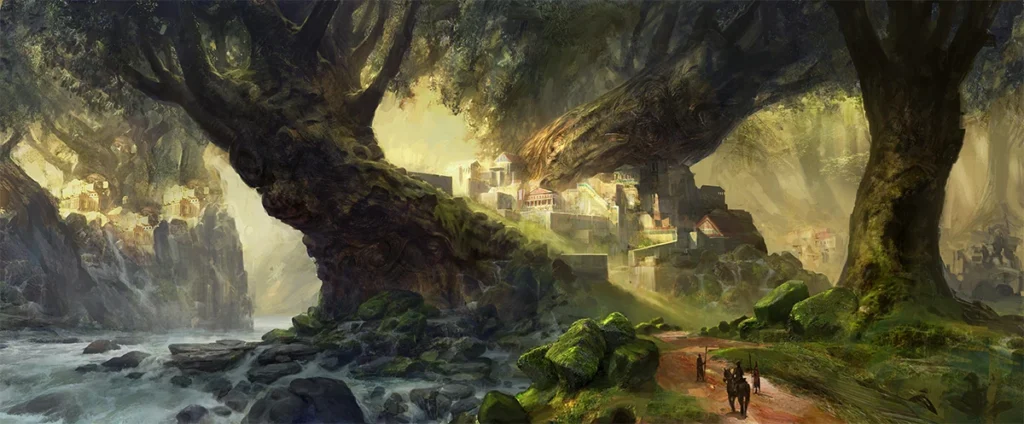
Reaching The Goal
Finally, this group dynamic came to a head when they reached their goal, and further conflict ensued, naturally. I used White Plume Mountain for this part, one of D&D’s most infamous dungeons. Changing only what I needed to theme the thing correctly, I wanted the players to enjoy a classic.
One of them immediately decided he was going crazy and simply darted off into the dungeon on his own. He got pretty far, which was an incredible feat in its own right, but then died in hilarious fashion. This provided me an opportunity to have his character be taken over completely by a God, and how he’d manifest that was up to him.
Each side discovered an ace that the other didn’t know about such that they thought they’d easily have the upper hand in the final battle to come. Yet one player in particular, my star, came to me and asked if there was anything at all that she could do to secure a second ace. Naturally, I said yes.
While I’d kept the most important parts of this: my player running off to his doom and the discovery of aces, how it went down is all completely different in the novel. You’ll need to read it to discover how, though.
New Dawn
In one more, final, epic, grueling fight, a siege for the capital city they’d once known was on. Forces from both sides clashed in what could only have been done digitally. Tens of tokens were thrown around, and battle took at least two, I think three or four full sessions. But in the end, the double ace of one side was enough to secure victory.
Yet, what did victory here mean? One side was utterly defeated, their God weakened and on the verge of death. But that god happened to be Heliod, the Sun God. What would happen if the sun god died? The world would die, of course, there would be no sun. So in a wonderful twist of fate, in order to save the world, including all they’d fought for, all players had to restore the sun by giving up their power. All their God power was needed to concentrate enough energy to save the Sun God.
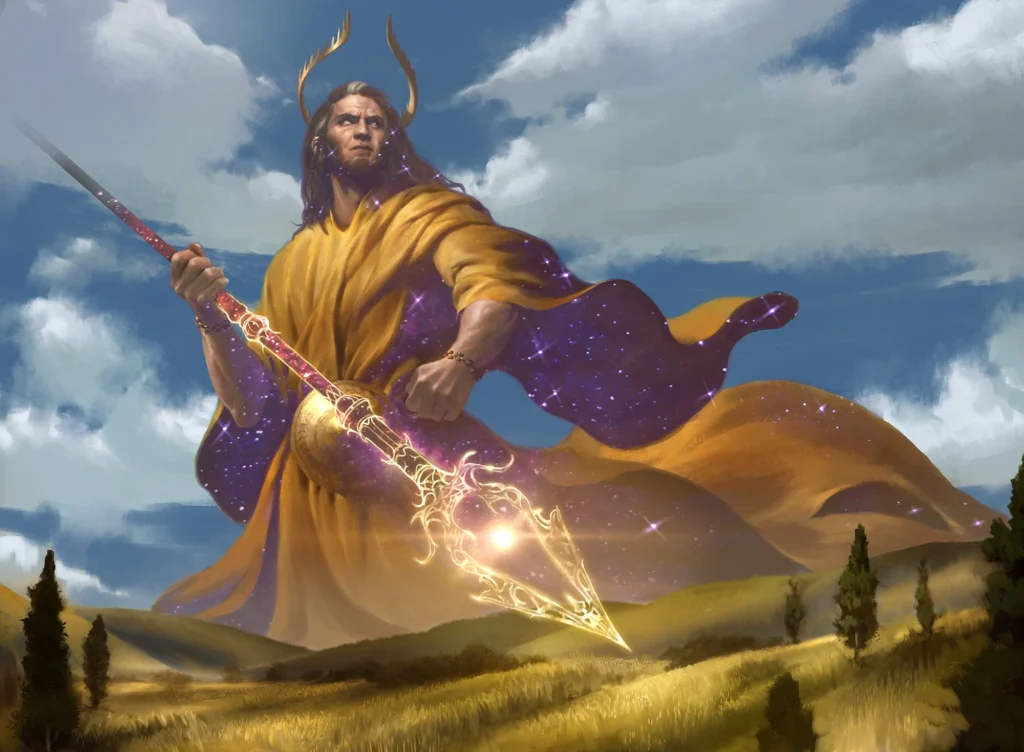
Since this truly was endgame, some players didn’t mind sacrificing themselves or succumbing and relinquishing control over their character’s lives. They’d got what they all wanted in the end. Backstories and side stories had been wrapped up in between, so why not?
What they didn’t know was they my star player had asked on the side if she could be even stronger. So naturally, I said yes. I didn’t say what, but only that she would know when the opportunity presented itself. Escaping through the edge of the world and into the Pantheon of gods, I offered my player the opportunity to replace Heliod outright, and she took it. This was her New Dawn, yet with all the other player’s wishes fulfilled, and new cities grown from the ground up, really it was everyone’s change on the world that mattered.
Wrapping Up
There’s quite a bit more in the story than what I’d mentioned. Sticking to the main plot points, I wanted to highlight throughout this post what I did to offer the player’s agency, then how I weaved that into what happened. This was high stakes stuff, so while there was a collective disappointment at times, everyone agreed the story was better for it. I can’t pretend to know if other groups will enjoy quite the same type of roller coaster ride, but I encourage DM’s to try.
The novel has much more about the characters, their stories, their changes, and their choices. It has many more fights than I mentioned, with everything from fantastical beasts, to among themselves, and in the end, none of them remain unscathed. Magical artifacts, deadly foes, hilarious resolutions to complex situations, there’s a lot to it. Again, I had to change quite a bit from the actual campaign, which was far longer and somewhat meandering at times, but the main plot points and player decisions are all there. For anyone that enjoys epic fantasy, it should be right up their alley. For DMs that are interesting in learning from it, just remember that player action can, and should, have an effect just as much as world events. It’s up to you to provide the glue to make that happen.